Halloween Spider Vector Illustrations: Your Go-To Seasonal Design Asset
When October rolls around, the pressure to create visually striking, thematic content skyrockets. Whether you are a small business owner planning a seasonal promotion or a graphic designer assembling a brand identity for a haunted attraction, the difference between an amateur collage and professional-grade editorial design often comes down to the quality of the source files. This is where high-quality Halloween Spider Vector Illustrations become an indispensable part of your toolkit. Unlike rasterized images that pixelate when you resize them, these vector files provide the scalability and precision required for serious modern typography and layout work.
Visual Characteristics and Stylistic Appeal
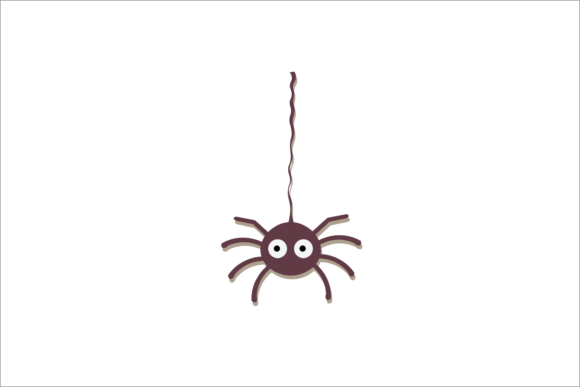
At first glance, the subject matter—a spider—might seem standard for Halloween. However, the execution of these design assets is what sets them apart. These illustrations typically bridge the gap between classic horror tropes and premium font aesthetics. You will find that the linework is clean and deliberate, avoiding the "clip art" look that plagues many free resources. Depending on the specific file you choose, the style can range from a menacing, realistic arachnid suitable for a dark, gothic atmosphere to a more stylized, friendly character fit for family-friendly packaging design.
The "personality" of these vectors is versatile. They are not just static images; they are creative font companions. Imagine pairing a jagged, distressed serif font with a realistic spider illustration perched on the top of the letter 'A'. Alternatively, picture a playful script font with a cute spider hanging from the tail of a swooping 'y'. The visual characteristics of these vectors allow them to act as both standalone focal points and intricate ligatures within a larger typographic composition. They possess a boldness that commands attention, making them ideal for headers and hero images where visual hierarchy is paramount.
Unmatched Versatility: File Formats and Canvas Size
The true utility of a digital asset lies in its adaptability. You cannot build a robust brand identity if your graphics fall apart the moment you try to scale them for a billboard or shrink them for a favicon. This collection of Halloween Spider Vector Illustrations addresses that technical bottleneck head-on by offering a comprehensive suite of file types.
With availability in AI, EPS, SVG, DXF, JPG, and PNG formats, you are equipped for virtually any workflow. For instance:
- AI and EPS Files: These are the gold standard for professional designers. If you are working in Adobe Illustrator to create a complex logo design or a custom typeface, these native vector files allow you to manipulate anchor points, change stroke weights, and alter color schemes instantly.
- SVG Files: For those focused on web design, Scalable Vector Graphics are essential. They load faster than heavy raster files and look crisp on high-resolution Retina displays. You can easily integrate these spiders into your CSS or use them as interactive elements on your site.
- DXF Files: This is a game-changer for crafters and hobbyists. If you use cutting machines like Cricut or Silhouette for creating physical merchandise—stickers, decals, or party favors—the DXF format ensures clean cuts every time.
- JPG and PNG: For quick implementations in social media graphics, blog posts, or digital invitations, these raster formats are ready to use. The PNG files likely come with transparent backgrounds, making layering over photos or textures effortless.
Furthermore, the fixed Canvas Size of 1920 px x 1280 px in each type provides a standardized, high-resolution starting point. This is roughly a 3:2 aspect ratio, which is friendly to both landscape monitor displays and standard print layouts. It guarantees that even the raster versions (JPG/PNG) are large enough for high-quality publishing on digital platforms without immediate need for upscaling.
Strategic Applications for Professionals and Creatives
How you utilize these assets depends heavily on your specific niche. For the marketer or entrepreneur, these illustrations are tools for conversion. A well-placed spider vector on an e-commerce banner or a "Flash Sale" email header instantly signals relevance and timeliness. It taps into the seasonal psyche of the consumer, creating an immediate connection between the product and the holiday excitement.
For the graphic designer, these assets solve the problem of "blank canvas syndrome." When designing a font pairing showcase or a typography poster, you often need visual anchors to break up large blocks of text. A Halloween Spider Vector can serve as a divider, a background texture element, or a central motif around which you build your layout.
Consider the content creator or blogger. In the crowded digital space, stock photos of pumpkins can become repetitive. Using a stylized vector spider allows for a unique visual language that distinguishes your content. It adds a layer of professionalism that generic stock images cannot match, signaling to your audience that you care about the details of your editorial design.
Technical Considerations and Workflow Integration
One of the most critical aspects of purchasing design assets is the assurance of usability. The guarantee that these illustrations are "easy to use and can be edited as needed" is not just a selling point; it is a workflow necessity. In professional environments, time is money. You cannot afford to spend hours troubleshooting corrupted paths or locked layers.
The ability to edit these vectors means you have full control over the color palette to match specific brand identity guidelines. If a client has a very specific shade of neon green or deep purple for their Halloween campaign, you can apply that globally across the illustration in seconds. This flexibility ensures that the asset feels custom-made for the project rather than purchased off the shelf.
When integrating these into your projects, pay attention to visual hierarchy. Because spiders are naturally complex shapes with many legs and details, they can sometimes compete with handwritten fonts or highly decorative sans serif fonts. It is often best to pair these detailed vectors with cleaner, more legible typefaces to maintain readability. Use the spider to draw the eye, but let the typography do the heavy lifting for the message.
Ensuring Readability and Professional Polish
While the aesthetic appeal of the Halloween Spider Vector is high, it is vital to use it judiciously to maintain professionalism. In packaging design, for example, the illustration should enhance the product information, not obscure it. If you are placing a spider over a text box, consider reducing the opacity or using a "multiply" blend mode so the text remains the primary focus.
For social media graphics, where attention spans are short, a bold, isolated spider vector can be more effective than a cluttered scene. It acts as a strong visual hook. When used in conjunction with a modern typography layout—perhaps a bold display font for the headline—the vector adds that necessary seasonal flair without compromising the clarity of the call to action.
Ultimately, the value of these Halloween Spider Vector Illustrations lies in their ability to bridge the gap between creative whimsy and technical precision. They provide a reliable, high-quality foundation for a wide range of projects, ensuring that your seasonal designs are not only spooky but also structurally sound and visually compelling. Whether you are cutting vinyl for a physical product or designing a digital magazine spread, these assets offer the versatility and quality that modern creatives demand.