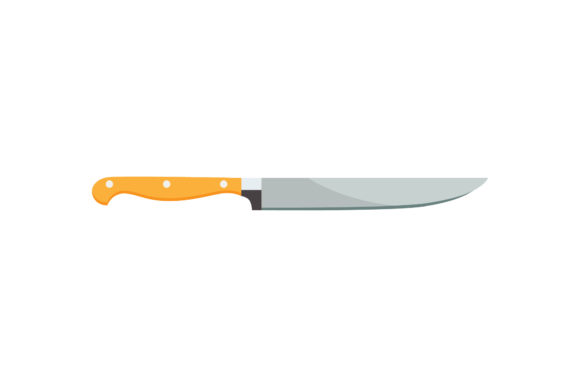
Kitchen Boning Knife Illustrations: Precision for Your Projects
When you’re building a brand or designing marketing materials, the details matter. A single asset can set the tone for an entire project. That’s the kind of impact a well-crafted set of Kitchen Boning Knife Illustrations can have. This isn't just a collection of drawings; it's a versatile toolkit for anyone working in food, culinary, or lifestyle branding. Thank you for visiting this account! We’ve made these illustrations available in six essential formats—AI, EPS, SVG, DXF, JPG, and PNG—ensuring you have the right file for any software or application. Each format comes with a generous canvas size of 1920 px by 1280 px, giving you high-resolution flexibility from the start.
A Design Asset with Real-World Character
The visual personality of these illustrations is clean, modern, and functional. They strike a balance between being detailed enough to feel authentic and stylized enough to work across various design contexts. You won’t find overly cartoonish lines or hyper-realistic textures here. Instead, the style leans into a professional, illustrative approach that communicates clarity and quality. This makes them a fantastic design asset for projects that need to look polished and trustworthy.
Think about where this kind of imagery excels. For a chef’s personal brand, these illustrations can form the core of a logo design or be used as recurring motifs on a website and social media. In packaging design for gourmet products—like artisanal knives, specialty meats, or kitchen tools—they add a layer of expertise and craftsmanship. The versatility of the included file formats means you can easily integrate them into web design mockups, print-ready brochures, or scalable social media graphics without losing quality.
Integrating Illustrations into Your Brand Identity
Strong brand identity is built on consistency. Using a cohesive set of illustrations, like these Kitchen Boning Knife graphics, helps create a recognizable visual language. When your website, Instagram posts, and product labels all share the same illustrative style, it builds a subconscious sense of professionalism and reliability with your audience. This is far more effective than using a mismatched collection of stock images.
The practical applications are broad. A food blogger could use them to illustrate step-by-step cooking tutorials, making the content more engaging and easier to follow. A small business owner selling kitchenware could feature them in editorial design layouts for catalogs or newsletters. Even crafters and hobbyists will find them useful for creating custom recipe cards, menu designs, or decorative prints. The key is to use them intentionally, aligning their style with your project’s overall typography and color palette.
Practical Guidance for Using Your Illustrations
Getting the most out of these assets is straightforward. First, consider the format. The AI and EPS files are perfect for designers using Adobe Illustrator, offering full editability. The SVG format is ideal for web design as it scales perfectly and has a small file size. For quick use in presentations or documents, the JPG and PNG files are ready to go, with the PNG offering a transparent background for layering.
Next, think about pairing. These illustrations work well alongside a variety of typefaces. For a classic, authoritative feel, pair them with a clean serif font. For a more contemporary, minimalist look, a geometric sans serif font is a great match. If your brand has a personal, artisan touch, a subtle script font or handwritten font could complement the illustrations nicely. The goal is to create a harmonious visual hierarchy where the imagery supports the text, not competes with it.
Before finalizing any design, test the illustrations at the actual size they’ll be used. Check for clarity on both a mobile screen and a printed page. Ensure the level of detail aligns with your project’s needs—sometimes a simplified version works better for small icons. Finally, while these files are provided for broad use, always double-check the licensing terms for your specific commercial project to ensure compliance. This kind of due diligence is what separates a professional workflow from a haphazard one, ensuring your brand identity remains both beautiful and legally sound.