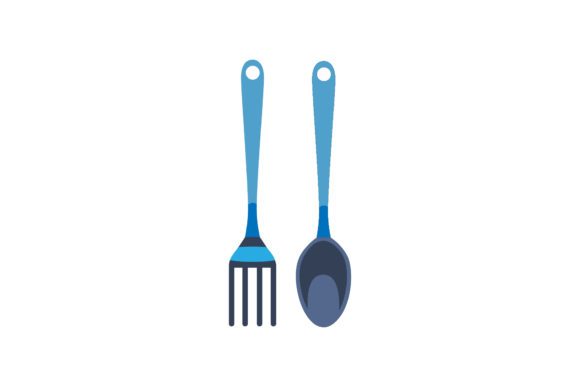
Kitchen Spoon and Fork Illustrations: Versatile Design Assets
Thank you for visiting this account! If you are looking to add a touch of culinary charm to your creative toolkit, you have come to the right place. The Kitchen Spoon and Fork Illustrations collection is not just a set of images; it is a versatile design asset built for professionals who value flexibility and quality. Whether you are a graphic designer working on a tight deadline or a small business owner trying to elevate your brand identity, these illustrations offer a practical solution. We know that managing design assets can be tricky, which is why we have focused on compatibility and ease of use.
Exploring the Visual Style and Appeal
The visual personality of these illustrations strikes a balance between modern minimalism and classic culinary aesthetics. You will not find cluttered or overly complex lines here. Instead, the design focuses on clean strokes and recognizable silhouettes that convey the essence of cooking and dining instantly. The style is versatile enough to fit into a high-end restaurant menu or a casual food blog. It avoids the "cartoonish" look that often makes designs feel cheap, aiming instead for a sophisticated yet approachable feel that appeals to adults aged 20 to 50.
When we talk about the appeal of the Kitchen Spoon and Fork Illustrations, we are looking at how they function within a broader design context. They act as excellent supporting characters in a layout. They do not scream for attention but rather guide the viewer's eye. This makes them perfect for use as background textures, subtle watermarks, or bold hero images depending on the project's needs. The personality is consistent—reliable, clean, and ready to be integrated into various creative workflows.
Where These Illustrations Shine: Real-World Applications
Understanding where to use these assets is key to getting the most value out of them. For brand identity work, these illustrations are gold. Imagine a local bistro or a catering company needing a logo design that feels authentic. You can use these vector elements to create a custom mark that feels hand-crafted yet professional. In the realm of packaging design, the illustrations help communicate the product's nature immediately. A food delivery service or a gourmet sauce brand can use these on labels to create visual hierarchy and shelf appeal.
Beyond physical products, the digital space offers endless possibilities. For web design and social media graphics, the included formats make implementation seamless. The PNG files with transparent backgrounds are perfect for overlaying onto photos in Instagram posts or website banners. The SVG files ensure that your graphics remain crisp and clear on high-resolution Retina screens. If you are a publisher working on an editorial design project, such as a cookbook or a lifestyle magazine, the high-resolution JPGs provide the clarity needed for print. Even hobbyists and crafters will find the DXF files incredibly useful for vinyl cutting or creating physical stencils.
Technical Specifications and Format Breakdown
We have packaged these illustrations to ensure they are truly easy to use. The collection is available in six distinct formats: AI, EPS, SVG, DXF, JPG, and PNG. This variety ensures that regardless of your software preference—whether it is Adobe Illustrator, CorelDraw, Cricut Design Space, or Canva—you have a compatible file ready to go.
The Canvas Size is 1920 px X 1280 px in each type. This is a crucial detail for digital designers. It provides a landscape orientation that is ideal for web headers, presentation slides, and video thumbnails. The resolution is high enough to maintain quality when printed on standard documents, though for large-scale banner printing, you may want to scale the vector files (AI, EPS, SVG) which are resolution-independent. The DXF format specifically caters to the crafting community, ensuring that lines are clean and ready for plotter machines.
Practical Guidance for Designers and Creators
When integrating the Kitchen Spoon and Fork Illustrations into your work, think about visual hierarchy. Because these are premium design assets, they deserve to be used thoughtfully. If you are pairing them with text, consider the relationship between the illustration and your typography. If you are using a serif font for a traditional cookbook, the illustrations can add a rustic touch. If you are using a sans serif font for a modern food app, the clean lines of the illustrations will match that contemporary vibe perfectly.
Here are a few tips for evaluating the fit for your project:
- Brand Consistency: Ensure the line weight of the illustration matches the weight of your chosen typeface. This creates a cohesive brand identity.
- Color Testing: Since these are provided in formats like PNG and SVG, you can easily change colors to match your palette. Test how they look on both light and dark backgrounds.
- Scaling: Always use the vector formats (AI, EPS, SVG) if you plan to resize the illustrations frequently. This prevents pixelation and keeps your work looking professional.
Whether you are a marketer creating a seasonal campaign or a content creator looking for a new header image, these illustrations provide the flexibility you need. We guarantee that this design is easy to use and can be edited as needed, allowing you to focus on what matters most: connecting with your audience. By incorporating these assets, you elevate your project from standard to standout, ensuring your visual communication is as sharp as your culinary skills.