Whale Humpback Illustrations Realis: A Designer's Go-To for Impact
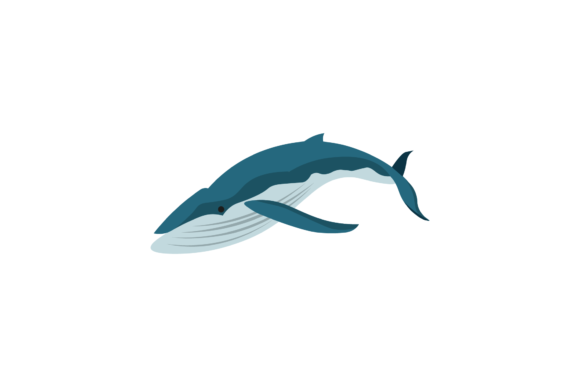
There are times in a project when you need more than just an image. You need a visual anchor, something that carries weight and tells a story the moment someone sees it. That’s precisely what the Whale Humpback Illustrations Realis collection offers. This isn't a set of simple, cartoonish outlines. It's a library of detailed, lifelike illustrations capturing the majestic presence of humpback whales. The style walks a fine line between scientific accuracy and artistic beauty, making it feel both authentic and emotionally resonant.
The personality of this collection is one of serene power. Each illustration conveys a sense of the ocean's depth and the whale's gentle, immense nature. The linework is clean and confident, with careful attention to the textures of the whale's skin, the shape of its fins, and the dynamics of water. This level of detail is what sets it apart. It feels professional and intentional, suitable for projects where credibility and visual sophistication are key. The overall appeal lies in its versatility; it can feel educational, awe-inspiring, or deeply calming, depending on how you use it.
Where This Collection Truly Shines
Thinking about where to use Whale Humpback Illustrations Realis is where the fun begins. For designers and brand strategists, this is a powerful asset for building a brand identity. Imagine a sustainable clothing brand, a marine research institute, or a wellness retreat center using one of these illustrations as a core part of their logo or packaging. It immediately communicates values like nature, tranquility, and depth. The realism lends an air of authority, which is crucial for establishing trust.
In the realms of editorial design and publishing, the possibilities are extensive. A magazine feature on ocean conservation, a book cover for a novel set at sea, or a blog header for a travel writer focusing on coastal adventures would all benefit immensely. The illustrations provide a strong focal point that can guide the entire layout and typographic hierarchy. For web design, a high-resolution whale illustration can serve as a stunning hero image, setting the tone for the entire user experience without saying a word.
Don't overlook the personal and commercial craft space. Entrepreneurs and small business owners can use these designs for everything from printed tote bags and t-shirts to unique stationery and art prints. The collection is delivered in a wide array of formats—AI, EPS, SVG, DXF, JPG, and PNG—with a generous canvas size of 1920px by 1280px. This means you have the flexibility to work in vector-based software like Adobe Illustrator for scalable projects or use the high-resolution raster files for digital and print media. The promise that the design is easy to edit is a genuine practical advantage, allowing you to adjust colors, isolate elements, or integrate the illustration seamlessly into your existing project files.
Making the Right Choice for Your Project
Choosing the right design asset is a practical decision. Start by evaluating your project's core message. Does it align with themes of nature, exploration, conservation, or tranquility? If yes, the Whale Humpback Illustrations Realis is a strong candidate. Next, consider your audience. This style resonates powerfully with adults who appreciate quality, authenticity, and a connection to the natural world—exactly the demographic of designers, marketers, and content creators you're often trying to reach.
One of the most critical steps is testing how the illustration works with your typography. A strong, realistic illustration like this pairs beautifully with clean, modern sans-serif fonts for a crisp, contemporary look. Alternatively, it can create a striking contrast with an elegant serif typeface for a more traditional, editorial feel. Avoid overly decorative or script fonts that might compete for attention and create visual clutter. The goal is to let the illustration and the text support each other in a clear visual hierarchy.
Think about readability and context. If you're using a whale as a background element on a website, ensure there's enough contrast for your text to remain legible. You might use a semi-transparent overlay or position the text in an area of the image with less detail. For social media graphics, the strong focal point of the whale can stop the scroll, but your message still needs to be clear and concise. The commercial license included with the purchase is a significant benefit, giving you the freedom to use these assets across client work and commercial products without legal ambiguity. It’s a practical investment in your creative toolkit, offering a high-quality, flexible resource that can elevate a wide range of projects.